
News Today, 3 hours ago
Americas Market Update 4 May
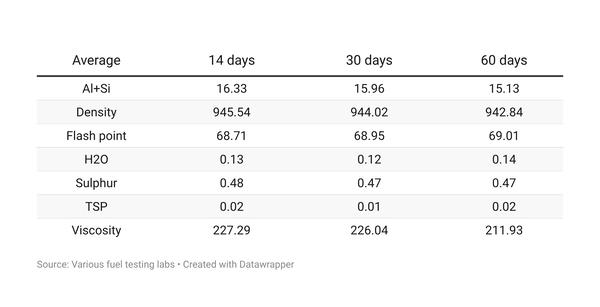
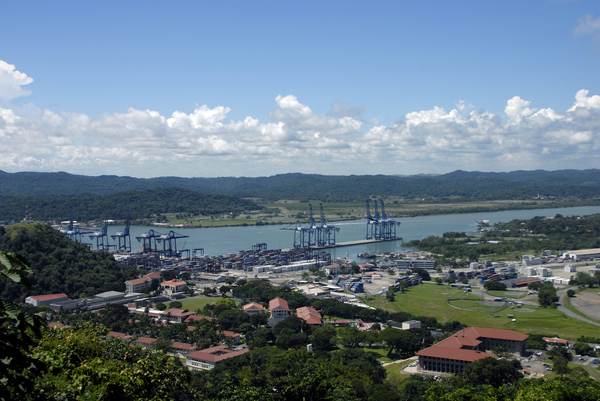
Balboa
Houston
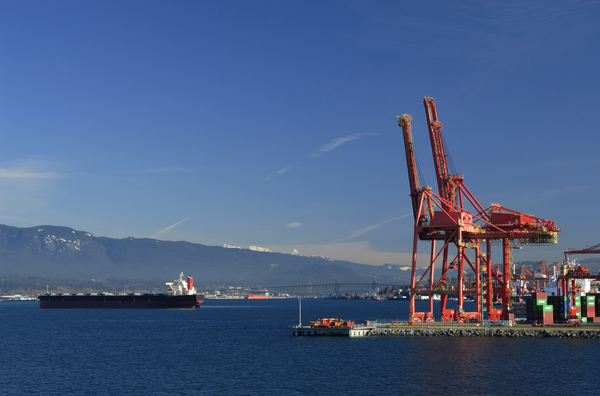
Los Angeles
New York
Zona Comun
HSFO
LSMGO
VLSFO
Fuel prices have moved upward, and a small craft advisory is in effect in New York due to rough weather conditions.
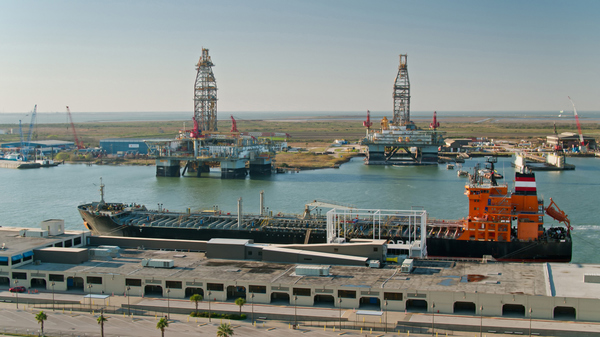
 IMAGE: Cargo vessel in the port of Galveston. Getty Images.
Changes on the day from Friday to 08.00 CDT (13.00 GMT) today:
- VLSFO prices up in Balboa ($25/mt), New York ($24/mt), Zona Comun ($14/mt), Houston ($12/mt) and Los Angeles ($9/mt)
- LSMGO prices up in Zona Comun ($74/mt), Los Angeles ($35/mt), New York ($25/mt), Houston and Balboa ($14/mt)
- HSFO prices up in Los Angeles ($66/mt), Balboa ($26/mt), New York ($23/mt) and Houston ($19/mt)
Conventional fuel prices have risen across all key hubs in the Americas, following Brent’s upward movement.
In New York, the port’s VLSFO price has increased by only $1/mt more than its HSFO price, keeping the port’s Hi5 spread steady from Friday.
At the port, a small craft advisory has been in effect, limiting small vessel movements due to high wind gusts in the region, a ship agency has said.
Zona Común’s LSMGO price benchmark has recorded the highest increase across all three grades and is currently at a premium of $80/mt to Bahia Blanca for the grade.
Deliveries have been underway at the anchorage; however, prolonged delays are anticipated to begin from 7 May due to extremely high wind gusts, a source has said.
Brent
The front-month ICE Brent contract has gained $0.81/bbl on the day from Friday, to trade at $111.47/bbl at 08.00 CDT (13.00 GMT) today.
Upward pressure:
The Middle East conflict – now in its third month – has kept Brent’s price well above $100/bbl as the Strait of Hormuz closure remains the biggest concern for the oil market, according to analysts.
The US Central Command (CENTCOM) said it will start a new operation in the Strait of Hormuz to restore navigation through the highly crucial oil chokepoint.
The Strait of Hormuz handled about 20% of the world's global seaborne oil flows before the Middle East war broke out on 28 February.
“Crude oil prices rallied… as a US-Iran peace deal looked increasingly unlikely and raising the prospect of a sustained disruptions to oil supplies,” ANZ Bank’s senior commodity strategist Daniel Hynes said. “Peace talks have been stalled as both sides refuse to move on their respective red lines,” he added.
Downward pressure:
The front-month ICE Brent contract has changed from June to July, which goes a long way to explain the recent drop in price.
Brent's June contract was trading around $120/bbl on Thursday. However, the July contract opened near $111/bbl on Friday, accounting for much of the roughly $9/bbl decline.
Last week was quite volatile for the oil market amid "the expiration of the ICE Brent Jun-26 contract on Thursday,” ING Bank’s analysts said.
Brent crude’s price gains were further capped by a rise in US crude oil rig activity.
The total number of rigs drilling for crude oil in the US rose by one to 408 units last week, according to Baker Hughes.
The US oil rig count is seen as an indicator of future oil production. It reflects how much oil drilling activity is happening or expected to happen in the shale sector.
By Gautamee Hazarika and Aparupa Mazumder
Please get in touch with comments or additional info to news@engine.online
Provided by


Contact our Experts
With 65+ traders in 13 offices around the world, our team is available 24/7 to support you in your energy procurement needs.