
News 1 days ago
Global Market Update 30 Dec
Japan
Chiba
Gibraltar
Houston
Kawasaki
Kobe
Mizushima
Nagoya
Osaka
Rotterdam
Singapore
Tokuyama
Tokyo
Yokkaichi
Yokohama
Zhoushan
HSFO
LSMGO
VLSFO
Bunker prices at major global bunkering hubs have moved in mixed directions, while availability of all fuel grades is very tight in Japanese ports due to barge congestion and low stocks.
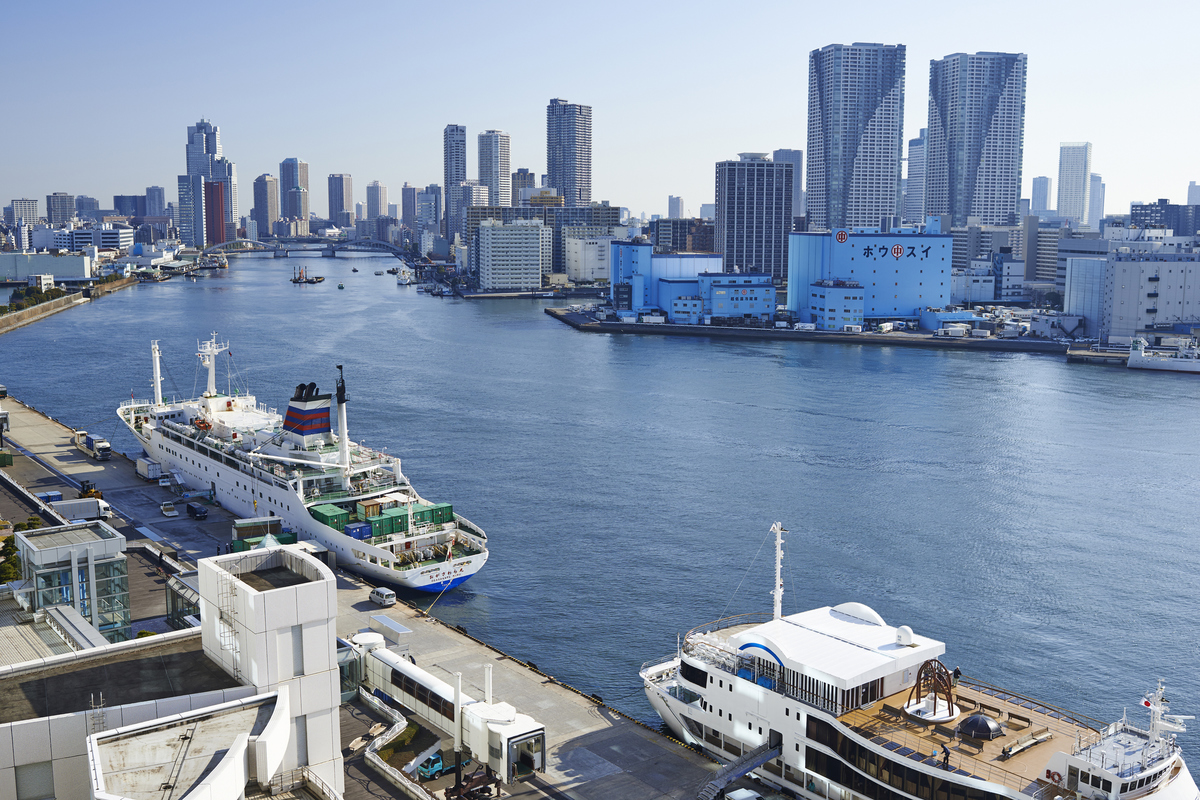 IMAGE: Aerial daytime view of Tokyo port, Japan. Getty Images
Changes on the day to 09.00 GMT today:
- VLSFO prices up in Houston ($12/mt), Rotterdam ($6/mt), Singapore, Zhoushan ($1/mt), and down in Gibraltar ($7/mt)
- LSMGO prices up in Houston ($14/mt), Rotterdam ($7/mt), and down in Gibraltar ($11/mt), Singapore ($4/mt) and Zhoushan ($2/mt)
- HSFO prices up in Rotterdam ($9/mt), Zhoushan ($6/mt), Singapore ($3/mt), Houston ($2/mt), and down in Gibraltar ($2/mt)
- B30-VLSFO at a $268/mt premium over VLSFO in Singapore
- B30-VLSFO at a $299/mt premium over VLSFO in Fujairah
- B30-VLSFO at a $376/mt premium over VLSFO in Gibraltar
Tokyo's VLSFO price remains at elevated levels to Singapore and Zhoushan, standing at premiums of $58/mt and $28/mt, respectively.
In Japan, availability of all grades is extremely tight through the end of December because of low inventories and widespread barge congestion. Affected ports include Tokyo, Chiba, Kawasaki, Yokohama, Osaka, Kobe, Nagoya, Yokkaichi, Mizushima, and Tokuyama, a trader said.
For deliveries in early January, suppliers are expected to offer stems in Tokyo Bay around 9–10 January, while congestion at other ports is likely to persist until mid-January.
VLSFO, HSFO and LSMGO prices in Rotterdam have moved higher while Gibraltar’s prices have fallen over the past day. The price moves have narrowed Rotterdam’s price discounts by around $11-$18/mt in a single day.
Fuel availability in the ARA bunkering hub remains tight for prompt deliveries, with buyers advised to enquire around 5-7 days in advance to secure offers from a broad selection of suppliers and avoid premiums, a trader said.
The Port of Houston’s Hi5 spread has widened to $73/mt today from $63/mt yesterday.
Bunker operations are progressing at the port, with suppliers currently focused on clearing a small backlog caused by intermittent traffic suspensions due to adverse weather conditions, a trader told ENGINE.
Deliveries of all three grades require lead times of 3-7 days.
Brent
The front-month ICE Brent contract has increased by $0.49/bbl on the day, to trade at $62.04/bbl at 09.00 GMT.
Upward pressure:
Brent crude’s price has moved higher as geopolitical risks have resurfaced, renewing concerns over supply disruptions.
Russia has accused Ukraine of carrying out a drone attack on President Vladimir Putin’s residence, according to Reuters.
The development has added a fresh layer of uncertainty for market participants, who are already struggling to assess the outlook for the US-mediated peace talks.
“Oil tried to inject a bit of geopolitics into the mix, lifting on chatter around strained peace talks and headlines aimed at palaces and presidents,” SPI Asset Management managing partner Stephen Innes remarked.
Downward pressure:
Brent crude has come under some downward pressure after the US Energy Information Administration (EIA) reported a small rise in US crude stocks.
Commercial US crude oil inventories increased by 400,000 bbls to around 425 million bbls in the week ending 19 December, according to data from the EIA.
A build in US crude stocks typically indicates lower demand for oil and can put downward pressure on Brent's price.
Also weighing on Brent’s price, the total number of rigs drilling for crude oil and natural gas in the US rose by three to 545 units last week, according to Baker Hughes.
The US oil rig count is seen as an indicator of future oil production. It reflects how much oil drilling activity is happening or expected to happen in the shale sector.
By Tuhin Roy, Nachiket Tekawade, Gautamee Hazarika and Aparupa Mazumder
Please get in touch with comments or additional info to news@engine.online
Provided by



Contact our Experts
With 50+ traders in 12 offices around the world, our team is available 24/7 to support you in your energy procurement needs.